Pan head screws are a great option for fastening applications in many different industries and project types. They have a flat bearing surface and a rounded head, which makes them versatile as well as functional. With their unique shape, pan head screws can be used in various applications, including building furniture and electronic assemblies. They are the go-to screws for many professionals and DIYers. In this article, we’ll explore why pan head screws are such an important fastening solution, what type of pan head screw is right for your project and how to choose a good quality pan head screw from a manufacturer.
The design of a pan head, or round head screw, has a larger diameter, rounded shape on top, and a flat bottom, which allows for the even distribution of the pressure applied to it to help stabilize the connection to both the material and the pan head screw itself, thus helping to prevent cracks or other types of damage. A pan head screw can be used in numerous applications due to there being many different drive types (e.g., Phillips, slotted, Torx, square) available depending on how they will be used; therefore, they can be used in many different applications requiring a secure hold or sound fastening capability.
The pan-head screw gets its name because the shape of the screw head is like an inverted frying pan, as it is domed with a greater diameter than a flat top screw. This design allows for better aesthetics and functionality because it allows for greater space between the back of the screw and the item it is fastening.
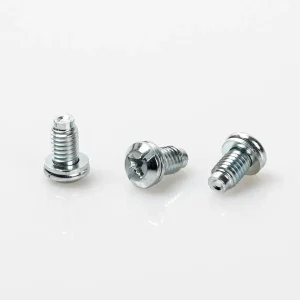
With all the advantages offered by these screws, it is easy to see why they are so widely used across different industries. The following are their main advantages:
1. High Load-Bearing Surface: Because of its flat bottom surface, there will be a larger contact area between the pan head and the material it is going into, therefore reducing risk of damaging the material, especially if it’s made from a soft material like wood or plastic.
2. Versatility and Compatibility: Pan head screws’ broad range of material compatibility, including wood, plastic, and metal, along with their wide variety of drive types (so that they can be driven by many different types of tools), give pan heads one of the greatest benefits of using them over other types of fasteners.
3. Corrosion Resistance: Pan heads made of stainless steel and pan heads coated with zinc are appropriate for indoor and outdoor applications. They have good anti-corrosive properties, enabling them to last a long time, even in severe or humid environments.
4. Ease of Installation: Because pan head screws have a rounded top and are easy to hold when driving, these screws are easy to install for new users. Compared with other screw types, they are also less likely to be stripped. This saves both time and energy when you are screwing in your pan head screws.
5. Enhanced Safety: The smooth rounded head of the pan headed screw is less likely than protruding screws to catch or cause injury. That makes them ideal for safe applications.
Because of their ability to work in the widest array of applications across many different industries, Pan head screws have become extremely popular. Below is a list of some of the many types of pan head screws applications that exist today.
1. Electronics Assembly: Panhead screws are commonly used in electronics to hold components securely, but not to damage delicate materials. The low profile of these screws allows them not to interfere with other components.
2. Automotive and Machinery: These screws provide durability and a strong work environment for holding mechanical components together in automotive and machinery industries, even with the added benefit of being able to withstand high-temperature and vibration.
3. Furniture Construction: Pan head screws are commonly found in furniture assembly due to their smooth, flush appearance when installed and the ability to disperse loads evenly. They provide strength and stability to the assembled product as well as maintaining the desired appearance.
4. Woodworking: Pan head screws work well in wood and are suitable for making use of softer materials (they have larger heads). They’re great for attaching hinges, brackets or any other fittings to wood.
5. Plastic Components: The use of screws in many types of products made from plastic is essential to prevent cracks from occurring and to create a secure hold. Pan head screws are well suited for these uses and help to ensure the long-term durability of the components that are joined together.
Pan head screws A variety of materials and finishes can be used to create many types of surfaces, depending on the type of application. Following are the most frequently used types:
1. Stainless Steel Pan Head Screws: These screws, recognised for their great resistance to corrosion, can be used on projects with water or outside exposure, including marine.
2. Zinc-Plated Pan Head Screws: Screws with a layer of zinc coating provide moderate rust resistance and are also very affordable; hence, they are a good option for general use indoors.
3. Black Oxide Pan Head Screws: The screws have a sleek, dark finish which helps them look great and provides moderate corrosion resistance. They are commonly used when the appearance of an installation is more important than its actual use.
4. Brass Pan Head Screws: Brass screws are non-magnetic, corrosion proof and have an actual bright colour (gold); they are primarily used for decoration and also for electrical conductive type of work.
5. Plastic Pan Head Screws: These lightweight, non-conductive screws are used in many applications and are well-suited for applications where metal screws would not be appropriate. Many industries have adopted this type of screw for use in electronics and other sensitive applications.
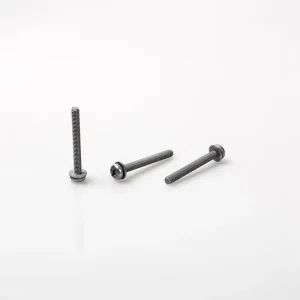
Choosing the correct pan head screw will depend on what your project requires. When selecting a screw, always keep in mind certain things such as what material the screw is made out of and what is the surface that it will go into; whether or not there are any environmental hazards to think about (such as wet or hot conditions); and the amount of weight or force that the screw must support. Also, make sure that the type of drive on the screw matches your available installation tools to enhance ease of assembly.
Pan-head screws are a great fastening option because they are so versatile, easy to use, and durable. Whether you’re doing a project related to electronics, automotive work, woodworking, or putting together some home furniture, there’s a pan-head screw out there to fit your fastener needs. With all of the different types of pan-head screws available (from various materials and finishes), you can find one suitable for just about any application. Choosing the right pan-head screw type for your particular needs will give you secure and long-lasting results on all of your projects. So, if you’re doing a DIY (do it yourself) project or working in an industrial setting, think about how beneficial pan-head screws will be for you and the outcome of your project; you will not regret it!

 TNHO
TNHO 


